Foundation Repair Company in Granbury, TX Built for Lake Country Soils
Granbury ground doesn't stay put. Clay and marl swell during the April–June storms, then shrink and crack open when August runs past 100°F. Some lots sit half on shallow limestone and half on clay or fill. Lakefront yards along Lake Granbury can stay soggy on one side and bone-dry on the other. You see the result as cracked brick, doors that stick, and floors that slope toward one corner. Granbury Solid Foundation Repair fixes slab and pier-and-beam foundations across Hood County. Before we recommend anything, we work out why your house moved, so the repair fits your soil instead of a generic template.
Since 2020 we've worked under 1970s lake homes in DeCordova Bend Estates, on Victorian pier-and-beam houses near the historic square, and on newer post-tensioned slabs in subdivisions along US-377. Our crews also drive out to Pecan Plantation, Tolar and Glen Rose. Every evaluation includes elevation readings and photos, followed by a plain-language explanation of what's going on. You get repair options and documentation you can hand to a buyer, lender or insurer.
- ✓Serving Granbury and Hood County since 2020
- ✓Bonded and insured
- ✓Elevation readings and photos with every evaluation
- ✓Plain-language explanation of the cause, with no pressure
- ✓Slab, pier-and-beam, crawl space and commercial foundations
- ✓Financing available
- ✓Service within a 20-mile radius of Granbury
Request Your Free Estimate
No obligation. Fast, honest quotes.
Thank you — your request was sent!
A member of the Granbury Solid Foundation Repair team will reach out shortly. Need help now? Call (817) 438-7114.
Why Granbury Homes Need Foundation Repair More Than Most
Hood County has nearly everything that moves a foundation: expansive clay, shallow rock, sandy lakeshore fill, big oak trees and a hard wet-dry climate cycle. The result is foundation movement that can look completely different on two houses on the same street.
Climate and Geology: Wet Springs, Brutal Summers, Mixed Ground
Granbury gets about 33–36 inches of rain a year, but most of it comes in heavy spring storms and fall rains, with long dry stretches in between. July and August highs sit in the mid-to-upper 90s, and drought years like 2011 and 2022 brought weeks of 100°F+ days. Clay soils that weathered out of the Glen Rose marl and Walnut clay swell when they're wet and shrink hard when they dry, so slab perimeters rise and fall with the seasons. The south and west sides usually move the most. On the uplands, shallow Comanche Peak limestone can sit just under thin topsoil, which means part of a house may rest on rock and the rest on clay. Along the Brazos and Lake Granbury, sandy alluvium and built-up fill can settle, erode or become saturated. Live oaks and post oaks pull even more water out of the soil every summer.
Housing Stock: From 1890s Pier-and-Beam to New Post-Tensioned Slabs
Granbury's housing spans more than a century, and each era fails in its own way. Around the 1891 Hood County Courthouse, Victorian and folk homes sit on pier-and-beam foundations, often on original wood or stone piers with rotted sills. Once DeCordova Bend Dam created Lake Granbury in 1969, communities like DeCordova Bend Estates, Pecan Plantation, Port O' Call and Indian Harbor filled in with slab-on-grade homes. Many of those 1970s–80s houses now show brick veneer cracks, gaps at garage and patio joints, and slab cracks. Newer subdivisions since the 2000s mostly have post-tensioned slabs on graded or filled lots. Out in Tolar, Lipan and Cresson you'll find ranch homes, barndominiums, metal shops and manufactured homes, and each of those needs a different kind of support.
Permits, HOAs and Real Estate Expectations
Texas doesn't issue a state license for foundation repair contractors. That's why engineer evaluations based on Texas Section ASCE guidelines, written documentation and a contractor's reputation carry so much weight here. Inside Granbury city limits, structural repairs generally need a building permit and inspections. Homes in the downtown historic district may also need a certificate of appropriateness if the work disturbs masonry, skirting or porches. Unincorporated Hood, Somervell and Johnson County properties often don't need a permit, though floodplain rules can apply near the Brazos. Work on Lake Granbury bulkheads falls under Brazos River Authority shoreline rules. Pecan Plantation and DeCordova Bend Estates control gate access and may require contractor registration, proof of insurance and set work hours.
A Fast-Moving, Older-Skewing Market
Hood County had about 61,000 residents at the 2020 Census and keeps growing quickly. Many of those residents are retirees who moved from the DFW Metroplex or out of state, especially into the gated lake communities. Homes change hands often, so a lot of foundation work starts with a buyer's inspection report and a closing date only weeks away. Part-time and second-home owners need someone they can trust to handle scheduling and gate access while they're gone. Rural owners around Lipan and outer Glen Rose tend to be more price-sensitive and need honest, right-sized repairs instead of an upsell.
Common Foundation Problems We See Around Granbury
Most foundation calls in Hood County trace back to a handful of causes: expansive clay, uneven bearing on rock and fill, water problems near the lake, and aging pier-and-beam framing. Here's how each one shows up, why it happens here, and when you shouldn't wait.
Seasonal Slab Heave and Settlement Serious
This is up-and-down movement of a slab-on-grade foundation that follows soil moisture. When clay gets wet, it lifts the slab edges. When it dries and shrinks, they drop. Over several years, that repeated movement cracks the slab, the veneer and the interior finishes.
Why it's common hereGranbury's rain comes in bursts, followed by long hot droughts, and that's about the worst pattern possible for expansive soil. Clays that weathered out of the Glen Rose marl and Walnut clay can swell and shrink a lot. Sun-baked south and west perimeters dry out the fastest, so those corners usually settle first. After drought summers like 2022, we see a wave of new calls from homes that looked fine the spring before.
Signs you'll notice- Stair-step cracks in brick veneer
- Doors that stick or won't latch, especially in late summer
- Gaps between baseboards and the floor
- Diagonal drywall cracks at window and door corners
- Visible slope toward one corner of the house
- Windows that are hard to open
This shows up constantly in 1970s–80s slab homes in DeCordova Bend Estates, Oak Trail Shores and Thorp Spring. It also appears in newer subdivisions where post-tensioned slabs sit on graded clay lots, usually on the corner facing the afternoon sun.
Our fix: We take elevation readings, then install piers matched to the depth of your soil and rock along the settled section. Next we lift and level the slab and fix the drainage so the moisture swings don't keep repeating.
Differential Settlement Over Rock and Fill Serious
This happens when one part of a house rests on stable limestone and another part sits on clay or loose fill. The soft side keeps settling while the rock side stays put, which creates sharp cracks and uneven floors along the transition.
Why it's common hereComanche Peak and Glen Rose limestone sit very shallow across much of Hood County, sometimes only a foot or two below thin topsoil. Builders often cut into rock on one side of a lot and fill the low side to level it. Years later the fill compresses and the house tilts. A standard repair plan with uniform pier depths doesn't work here. Some piers hit refusal on rock in a few feet, while others need to go much deeper.
Signs you'll notice- A single large crack running across the slab or through the garage
- Floors that slope noticeably in one direction
- Cracks that keep widening after cosmetic patching
- Brick separating from window frames on one side only
- Interior walls pulling away from the ceiling
This is common on sloped and hilltop lots around Acton, in rural Tolar and Lipan, and in newer subdivisions built on cut-and-fill pads. It's especially likely where earlier repair attempts used the same pier depth everywhere.
Our fix: We support the settling section with pier types and depths matched to what's underground at each spot, stopping at rock where we find it. Then we level the house back toward plane.
Lakefront Erosion and Saturated Soils Serious
This is foundation movement caused by water at the shoreline: soil washing out behind a failing bulkhead, sandy fill that stays saturated, or ground drying out when the lake drops. The foundation loses support from below or from the side.
Why it's common hereLake Granbury properties often sit on sandy loam, alluvium or fill brought in decades ago. Spring downpours, bad gutter discharge and wave action can pull soil out through cracked bulkheads. Lake drawdowns during drought dry out the same soil, so a single waterfront home can go through saturation and drying in the same year. These houses need the drainage and shoreline fixed along with the foundation. Fixing only the foundation leaves the cause in place.
Signs you'll notice- Sinkholes or voids near the bulkhead or seawall
- Patio or deck settling toward the water
- Cracks on the lakeside wall of the house
- Soggy soil along the foundation days after rain
- Leaning retaining walls
- Gaps under the slab edge
Most common in waterfront sections of Harbor Lakes, Port O' Call, Indian Harbor and Pecan Plantation along the Brazos, especially on older 1970s–80s lots built on fill.
Our fix: We stabilize the foundation with piers, fill voids under the slab, and redirect drainage away from the house. If the shoreline work needs Brazos River Authority approval, we'll tell you so upfront.
Under-Slab Plumbing Leaks Emergency
A water or sewer line leaking beneath a concrete slab soaks the soil underneath. Clay swells and causes localized heave, while sandier soil washes out and leaves a void. Either way, the slab loses even support.
Why it's common hereWinter Storm Uri in February 2021 burst plumbing all over Hood County. Some of that damage was under slabs and didn't surface until months later. Many lake-community homes from the 1970s and 80s also still have aging cast-iron drain lines. Because Granbury clays react so strongly to water, a slow leak under a kitchen or bathroom can lift a section of floor even while the rest of the house is settling from drought.
Signs you'll notice- Unexplained jump in the water bill
- Warm or damp spots on the floor
- Hump or crack in the floor near a bathroom or kitchen
- Mildew smell or lifting flooring
- Sound of running water with fixtures off
- Slow drains or recurring backups
Most often found in 1970s–80s slab homes in DeCordova Bend Estates and Thorp Spring. We also see it in homes that were vacant or seasonally occupied during the 2021 freeze, when burst lines went unnoticed for days.
Our fix: Stop the water and have a plumber confirm the leak. We then repair the slab, fill any washout voids and re-level once the soil has stabilized.
Sagging Pier-and-Beam Floors and Rotted Sills Moderate
In crawl space homes, the floor rests on beams carried by piers. When piers sink or shift, shims compress, or sills and beams rot from moisture, the floors sag, bounce and slope.
Why it's common hereGranbury's historic homes near the square still sit on original wood or stone piers that were never designed to last more than a century. Rural farmhouses around Tolar, Lipan and Glen Rose have the same issue, made worse by crawl spaces that collect water during spring storms. Clay shrinking under shallow piers in summer drops the floor even more. These homes need shimming, beam and sill work and moisture control. Slab-style piering doesn't solve it.
Signs you'll notice- Bouncy or soft spots in the floor
- Floors that dip toward the center of a room
- Gaps under interior doors
- Musty odors or standing water in the crawl space
- Visible rot on sills or beams
- Cracked plaster in older homes
Concentrated in Victorian and folk homes around Historic Downtown Granbury Square, older Thorp Spring houses, and pier-and-beam farmhouses on acreage in Tolar, Lipan and outer Glen Rose.
Our fix: We replace failed piers, reshim with durable materials and sister or replace rotted beams and sills. We also add crawl space drainage and ventilation, protecting historic materials where needed.
Tree Root Moisture Draw Moderate
Large trees close to a house pull moisture out of the soil beneath the foundation during summer. That creates a localized shrinking zone, and the nearby section of slab or piers settles faster than the rest.
Why it's common hereNative live oaks and post oaks are one of the best things about Granbury properties, and many lake lots were built right around them. One mature oak can draw a lot of water on a 100°F day. On top of clay that's already shrinking from drought, that pull adds noticeable settlement right where the canopy reaches the house.
Signs you'll notice- Cracks concentrated on the wall nearest a large tree
- Settlement at one corner that gets worse each summer
- Gaps between the slab and soil near the tree
- Roots visible at the foundation edge
- Doors on that side of the house binding
Typical in established, tree-heavy neighborhoods like Oak Trail Shores, Rancho Brazos and DeCordova Bend Estates, where houses were built under existing oak canopies in the 1970s and 80s.
Our fix: We pier the affected section, consider a root barrier, and help you keep soil moisture steady so you can keep the tree and still protect the foundation.
Cosmetic Concrete and Garage Cracks Minor
These are hairline shrinkage cracks in slabs, garage floors, driveways and patios that don't involve meaningful structural movement. They're common and usually harmless, but you should still check them so you can tell them apart from active settlement.
Why it's common hereAll concrete shrinks as it cures, and Granbury's heat speeds that up. Garage slabs and driveways often sit on fill and aren't tied into the main foundation, so they also crack at joints during wet-dry cycles. After a drought summer, many homeowners notice these cracks at once and assume the worst. An elevation reading usually answers the question in minutes.
Signs you'll notice- Hairline cracks under 1/8 inch
- Cracks that don't offset vertically
- Separation at the garage-to-driveway joint
- Cracks that haven't changed in months
- Minor spalling on garage floors
Seen everywhere from new subdivisions off US-377 to Cresson and Godley acreage homes, especially in garages and driveways on built-up pads.
Our fix: Seal or patch the cracks, fix joint gaps, and monitor. If the readings show the slab is in good shape, we'll tell you that, and you won't pay for repairs you don't need.
Foundation Repair Services in Granbury and Hood County
We repair, rebuild and protect every common foundation type in Hood County, from 1890s pier-and-beam houses to post-tensioned slabs, barndominiums and commercial buildings. Below are our services, grouped by the problems they solve, with notes on how each one applies to Granbury's soils and building styles.
Slab Foundation Repair, House Foundation Repair & Foundation Raising ⭐ Specialty
We stabilize and lift settled slab-on-grade homes, bringing floors back toward level and stopping progressive cracking. This is our most common repair for brick-veneer homes in Granbury's lake communities and newer subdivisions.
Our approachFirst we take elevation readings across the slab. Then we install piers along the settled sections, carry them to depths matched to the soil and rock at each location, and lift the structure carefully while monitoring cracks and doors throughout.
In Granbury, TXGranbury lots can switch from shallow limestone to expansive clay within a few feet, so we adjust pier depth spot by spot. That's especially important on cut-and-fill lots off US-377 and on 1970s DeCordova Bend Estates slabs that have dealt with decades of drought cycles.
Best for: Homes with stair-step brick cracks, sloping floors, sticking doors, or an inspection report flagging settlement before a sale.
Pier and Beam Foundation Repair, Crawl Space Repair & Stem Wall Repair ⭐ Specialty
We repair crawl space foundations: replacing failed piers, reshimming beams, swapping out rotted sills and joists, and rebuilding damaged stem walls so floors feel solid and level again.
Our approachWe inspect the crawl space, measure floor elevations, replace deteriorated wood or stone piers with sound supports, sister or replace damaged framing, and fix the moisture problems that caused the rot.
In Granbury, TXHistoric homes near the downtown square need careful work that protects original materials and respects the historic preservation review process. Rural farmhouses in Tolar, Lipan and Glen Rose often need the same repairs plus crawl space drainage after years of spring storm runoff.
Best for: Older homes with bouncy, sagging or sloping floors, musty crawl spaces, or visible rot on beams and sills.
Foundation Inspection
We evaluate your foundation, figure out whether movement is structural or cosmetic, and explain the cause in plain language. You get options, not pressure.
Our approachEach evaluation includes elevation readings, photos of cracks and distress, and a check of drainage, trees and plumbing indicators. You keep the documentation to share with buyers, lenders, insurers or an engineer.
In Granbury, TXInspection-triggered repairs on tight closing deadlines are common in Granbury's fast-turnover market. Clear readings and photos help everyone at the table understand the house's actual condition quickly.
Best for: Buyers, sellers, new cracks after a drought summer, or anyone who wants an honest second opinion.
Foundation Drainage
We correct the water problems that drive foundation movement, including poor grading, gutter discharge against the slab, and soggy soil along lakefront or low-side walls.
Our approachDepending on the site, we use surface regrading, downspout extensions, French drains, and channel or area drains to keep soil moisture around the perimeter more consistent year-round.
In Granbury, TXLake Granbury properties and homes on the low side of sloped lots take on heavy spring runoff. Better drainage protects the repair investment and reduces erosion near bulkheads and patios.
Best for: Homes with standing water near the foundation, lakefront erosion, or settlement that keeps coming back after earlier repairs.
Concrete Slab Leak Repair
Once a plumber has located an under-slab leak, we handle the foundation side: opening and restoring the slab, filling washout voids, and re-leveling the areas affected by heave or settlement.
Our approachWe open the slab with as little disruption as possible, restore the subgrade, pour back reinforced concrete, and take follow-up elevation readings once the soil has stabilized.
In Granbury, TXThe 2021 winter storm and aging plumbing in 1970s–80s lake homes made under-slab leaks a common foundation trigger in Hood County.
Best for: Homes with high water bills, warm floor spots, or a floor hump near a kitchen or bath.
Concrete Foundation Repair, Poured Concrete Foundation Repair & Concrete Block Foundation Repair
We repair structural damage in poured concrete and block foundations, including cracked, bowed or displaced sections, and restore their strength and alignment.
Our approachWe assess the damage, then rebuild or reinforce it with epoxy or polyurethane injection, block replacement, rebar or reinforcement, and structural patching, depending on the wall or footing type.
In Granbury, TXCommon on older Granbury homes, block-foundation additions, and rural outbuildings around Cresson and Godley where foundations were built in stages.
Best for: Foundations with structural cracks, crumbling block, or displaced concrete sections.
Foundation Crack Repair, Concrete Wall Crack Repair, Concrete Floor Crack Repair & Foundation Patching
We seal and repair cracks in foundation walls, slabs and floors to keep out water and pests and to stop the damage from spreading.
Our approachWe clean the cracks and use injection, routing and sealing, or patching compounds suited to the crack's width and activity. We document every crack so changes are easy to track.
In Granbury, TXAfter drought summers, many Granbury homeowners find new cracks all at once. We make sure each one is cosmetic before we simply seal it.
Best for: Hairline or stable cracks that need sealing, and cracks you want monitored over time.
Concrete Foundation Leveling & Concrete Slab Leveling
We level settled concrete floors, slabs, patios and walkways to remove trip hazards and restore drainage slope.
Our approachDepending on the cause and the loads involved, we use slab lifting, void filling and subgrade correction, and we verify the results with elevation readings.
In Granbury, TXPatios and walkways on lake lots often settle as fill compresses or washes out. Leveling them restores proper drainage away from the house.
Best for: Sunken patios, uneven garage floors, and walkways that hold water.
Garage Foundation Repair & Driveway Foundation Repair
We repair settled or cracked garage slabs and driveways, including separations at the joint between the garage and the house or driveway.
Our approachWe take elevation checks, fill voids, lift or replace damaged sections, and reseal the joints. Where the garage shares a foundation with the house, we pier it.
In Granbury, TXGarage and driveway pads in Granbury are often poured on fill. Separation at these joints is one of the most common complaints from 1970s–80s lake homes.
Best for: Garage floor cracks, sunken driveway sections, and gaps at garage or patio joints.
Concrete Pier Foundation Repair & Concrete Foundation Reinforcement
We replace or reinforce failed concrete piers and strengthen foundation elements that can't carry their loads anymore.
Our approachWe excavate, assess pier condition, and replace or supplement the piers. Where needed, we add reinforcement to beams, footings or slab edges.
In Granbury, TXShallow piers on Granbury clay can lose support in drought. Rural ranch homes and manufactured homes often need pier work and re-leveling.
Best for: Homes with failed or undersized piers, or homes that need reinforcement before an addition.
Foundation Wall Repair & Concrete Foundation Sealing
We repair damaged foundation walls and seal concrete foundations against moisture getting in.
Our approachOur work includes crack and wall repair, waterproof coatings and sealants, and joint sealing, combined with drainage fixes where water pressure is the cause.
In Granbury, TXUseful on lake homes and properties on the low side of slopes, where spring storms push water against the foundation.
Best for: Damp foundation walls, efflorescence, or concrete exposed to recurring moisture.
Foundation Installation, Foundations & Crawl Space Foundation Construction
We build new foundations for additions, outbuildings and crawl space structures, designed for the soil on your specific lot.
Our approachWe evaluate the site, excavate, form, reinforce and pour, or build crawl space piers and stem walls, with drainage planned in from the start.
In Granbury, TXBarndominiums, shops and additions in Tolar, Lipan, Cresson and Godley often sit on mixed rock and clay. Building to the actual site conditions prevents problems later.
Best for: Additions, new outbuildings, and replacement crawl space foundations.
Commercial Foundation Repair
We repair foundations and slabs for small commercial buildings, shops and metal structures throughout our service area.
Our approachWe do the same evaluation, elevation readings and documentation as residential work, and we schedule around your business hours to keep disruption low.
In Granbury, TXThese range from limestone and brick storefronts near the historic square, where preservation review may apply, to metal shop buildings and ag structures in rural Hood County.
Best for: Shops, small commercial buildings, and business owners who need minimal downtime.
How Our Foundation Repair Process Works
Here's how a typical job goes, from your first call to the final readings. You'll know what we found, why it happened, what we recommend and what it costs before any work starts.
Schedule Your Evaluation
- Tell us what you're seeing: cracks, doors, floors or an inspection report
- We set a time that works for you, including if you're a part-time resident
- We handle gate registration and proof of insurance for Pecan Plantation or DeCordova Bend Estates
Local note: If you're on a closing deadline, tell us when you call so we can prioritize your evaluation.
On-Site Inspection and Elevation Readings
- We take elevation readings across the slab or the floor system
- We photograph cracks, crawl space conditions and other distress
- We check grading, gutters, trees and plumbing indicators
- For lakefront homes, we look at bulkheads and erosion
Local note: For historic homes downtown, we note original materials that need protecting during repairs.
Plain-Language Explanation and Repair Options
- We explain the cause in plain terms, whether it's soil, water, trees or plumbing
- We tell you whether the problem is structural or cosmetic
- We walk you through repair options with clear pricing
- You get documentation you can share with buyers, lenders, insurers or an engineer
Local note: We also flag likely permit needs, such as City of Granbury permits, historic review or Brazos River Authority shoreline rules.
Permits, Scheduling and Repair Work
- We pull permits where they're required
- We follow HOA work hours and staging rules
- We install piers, shim beams, and complete drainage or concrete work
- We protect landscaping and clean up every day
Local note: On rural jobs in Tolar, Lipan or Glen Rose, we plan equipment access over unpaved terrain ahead of time.
Final Readings and Documentation
- We take post-repair elevation readings for comparison
- We provide before-and-after photos and a written summary of the work
- We give you guidance on keeping soil moisture and drainage steady
Local note: Keep these records with your home file. Granbury buyers and lenders often ask for foundation repair history.
Why Granbury Homeowners Choose Granbury Solid Foundation Repair
We Know Hood County Soil Changes Lot to Lot
One Granbury lot can be shallow limestone, the next expansive marl, and a lakefront lot down the road loose sandy fill. A cookie-cutter repair plan with the same pier depth everywhere is how foundations get repaired twice. We read the site, match pier type and depth to what's actually underground, and stop at rock when we hit it. Since 2020 we've worked under lake homes, historic houses and rural properties across Hood County, and that local experience shapes every recommendation we make.
Bonded and Insured, With Paperwork Ready for Your Gate
Texas doesn't license foundation repair contractors, so it's on you to check who's working under your house. We're bonded and insured, and we're happy to provide proof. That's especially useful in Pecan Plantation and DeCordova Bend Estates, where the owners' association may require contractor registration and insurance documentation before we can come through the gate. We take care of that coordination so you don't have to.
Measurements and Photos, Not Guesswork
Every evaluation includes elevation readings and photos. We don't eyeball a crack and quote a number. The readings show where the house has moved and by how much, and the photos record the condition before any work begins. After the repair, we take readings again so you can see the difference. That record is useful if you sell, refinance, file an insurance claim, or bring in an engineer for an independent opinion.
Plain-Language Answers, No High-Pressure Sales
A lot of Granbury homeowners call after a drought summer worried that every crack is a disaster. Many aren't. We tell you whether movement is structural or cosmetic and explain the cause in everyday language: clay shrinkage, a thirsty oak, a plumbing leak or poor drainage. Then we lay out your options. If monitoring or simple crack sealing is the right answer, we'll say so. Retirees and careful researchers appreciate that we don't rush the decision.
Slab, Pier-and-Beam and Everything in Between
Granbury's housing ranges from 1890s Victorians near the courthouse to post-tensioned slabs built last year, plus barndominiums, metal shops and manufactured homes on acreage. We work on all of them. That includes slab piering, pier-and-beam shimming, beam and sill replacement, crawl space moisture control, stem walls, slab leak repairs, drainage and commercial foundations. Each foundation system gets the repair it needs, not whatever repair we happen to sell most often.
Built for Real Estate Deadlines
Homes in Granbury sell quickly, and foundation work often starts with a buyer's inspection report and a closing date weeks away. We move fast on evaluations and give you clear documentation, including readings, photos and a written scope, that buyers, sellers and lenders can review. If your transaction calls for an engineer's letter, we'll share our data with the engineer you or your lender choose to help keep things on schedule.
Respectful Crews and Financing Options
Many of our clients are retirees or part-time lake residents, so we schedule around you, keep disturbance to your yard and landscaping low, follow HOA work hours, and clean up every day. Foundation repair is a big expense, and financing is available to help you take care of it now instead of letting the damage spread. Ask about financing during your evaluation.
Trusted by Granbury Homeowners Since 2020
Granbury homeowners call us for clear answers backed by measurements. Every evaluation comes with elevation readings, photos and a straightforward explanation, so you can make the decision without pressure.
Bonded • Insured
Foundation Repair Service Areas Around Granbury
We're based in Granbury and serve homes, lake properties, ranches and businesses within about 20 miles. That covers the lake communities, the fast-growing corridor toward Fort Worth, and rural Hood, Somervell and Johnson County properties.
Granbury and Lake Granbury Communities
Fort Worth Corridor
Rural Hood and Somervell Counties
We serve properties within about a 20-mile radius of Granbury. If you're near the edge of that range, call us and we'll confirm. Not sure if we cover your area? Call (817) 438-7114.
How Much Does Foundation Repair Cost in Granbury, TX?
Foundation repair costs in Granbury depend on your foundation type, how much of the house has moved, and what's underground. Here are the main factors and some realistic ranges for common Hood County projects. Your exact price comes from the on-site evaluation.
Foundation Type Primary Factor
Slab and pier-and-beam homes are repaired in very different ways. Slab repairs usually mean installing piers and lifting a section of the house. Pier-and-beam repairs often involve shimming, pier replacement, and beam or sill work done inside the crawl space. A historic home near the square or a manufactured home in Lipan will be priced differently from a post-tensioned slab in a newer subdivision.
Number and Depth of Piers Primary Factor
Most slab repair cost comes down to how many piers your house needs and how deep they go. In Granbury, depth varies a lot. A pier can reach refusal on limestone at shallow depth on one corner and need to go much deeper through clay or fill on another. More settled area means more piers, and deeper soil conditions mean more material and labor.
Soil, Water and Site Conditions Secondary Factor
Lakefront lots with saturated soil, washout voids or failing bulkheads usually need drainage work and void fill on top of piers. Sloped lots, rock near the surface and big oak root systems also affect the scope. When water is the cause, fixing it is part of a lasting repair, and skipping that step is how foundations end up being fixed twice.
Access and Interior Work Secondary Factor
Interior piers may mean breaking through flooring. Tight crawl spaces slow pier-and-beam work. Rural properties in Tolar or Glen Rose may need equipment hauled over unpaved ground. Gated communities with HOA work-hour rules can stretch the schedule. We'll flag every access issue in your estimate.
Permits, Plumbing and Documentation Additional Factor
Inside Granbury city limits, structural work generally needs a permit, and historic district properties may need preservation review. If an under-slab leak caused the movement, the plumbing repair is a separate cost. Real estate transactions sometimes call for an independent engineer's letter, which the engineer bills separately.
| Typical project | Details | Estimated range |
|---|---|---|
| Pier-and-beam re-shim and partial pier replacement | Older Thorp Spring or rural Tolar farmhouse with sagging floors in two rooms, some wood piers replaced, and minor sill repair | $2,500 – $7,500 |
| Corner settlement on a lake-community slab | 1970s–80s brick-veneer home in DeCordova Bend Estates, 6–10 piers on the sun-exposed corner plus gutter and drainage fixes | $5,500 – $12,000 |
| Major slab lift on mixed rock and fill | 2,400 sq ft home on a cut-and-fill lot, 15–25 piers at varying depths, full re-level | $12,000 – $25,000 |
| Lakefront drainage and void repair | Waterfront Port O' Call or Harbor Lakes home with washout near the patio. French drain, void fill and patio leveling, not counting bulkhead replacement | $3,500 – $9,000 |
Financing is available, so you can take care of foundation problems now instead of waiting while cracks spread. Ask about it during your evaluation. Foundation problems usually get worse with each wet-dry cycle. Repairing early, with readings and photos to back it up, protects your home's value and makes things easier when you sell. In Granbury, sales often hinge on foundation history.
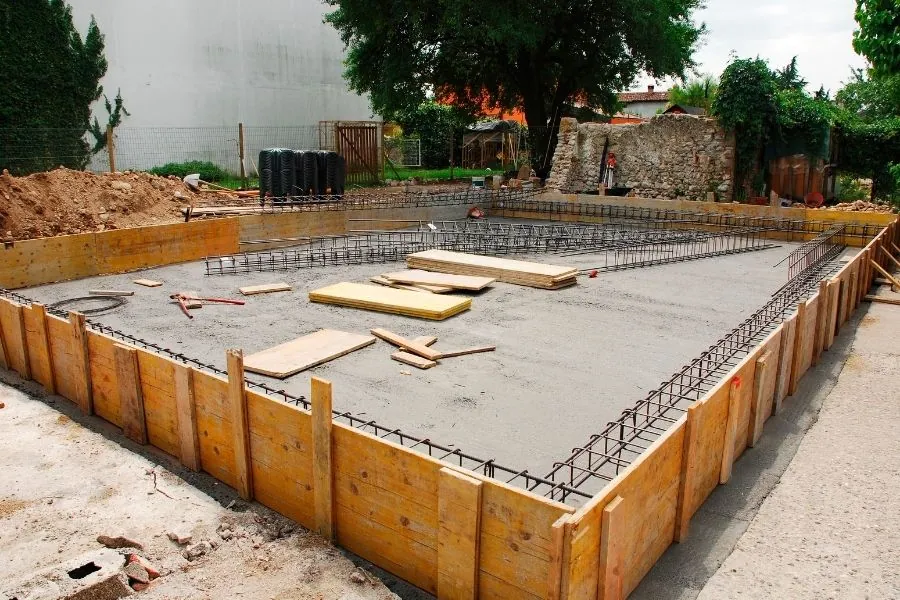
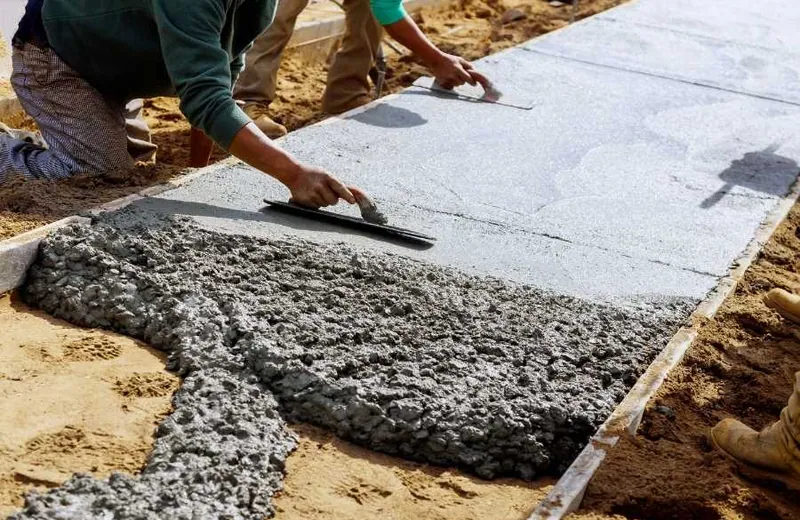
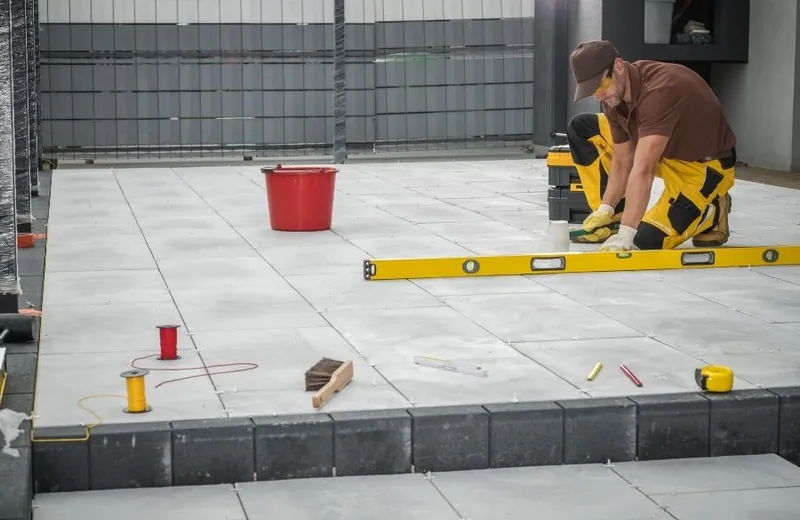
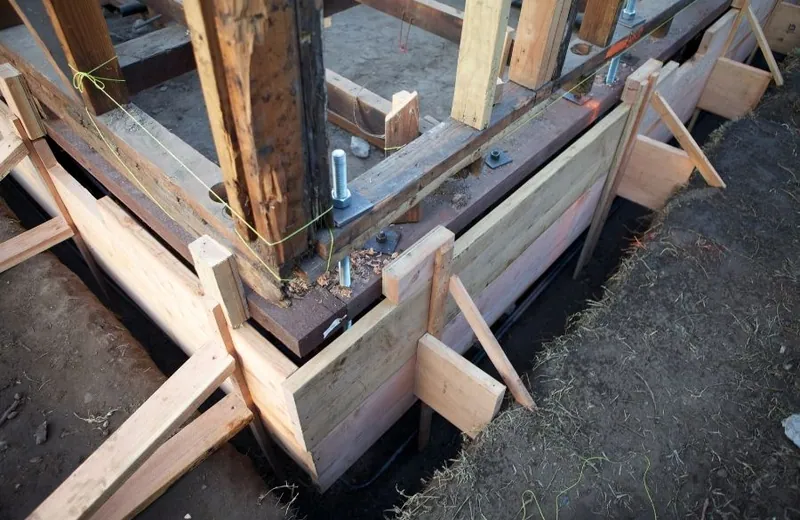
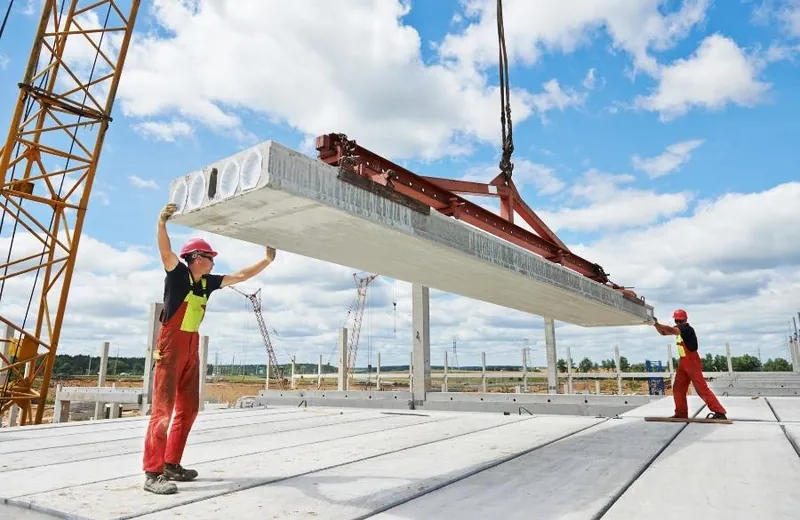
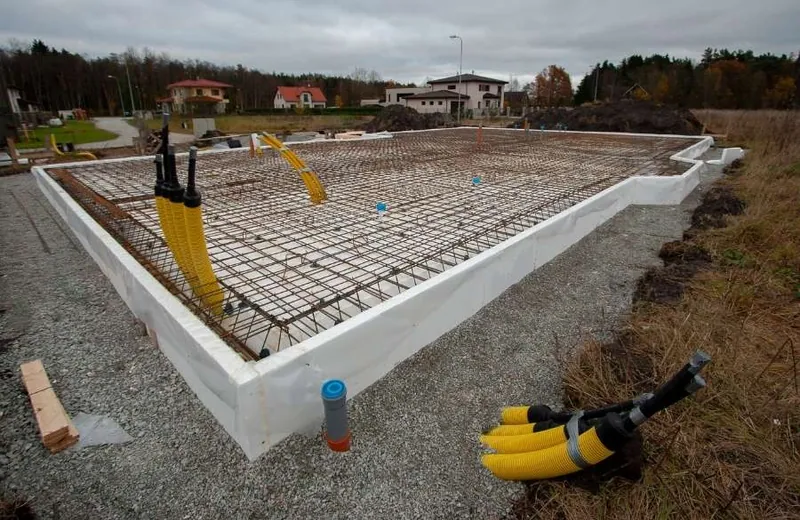
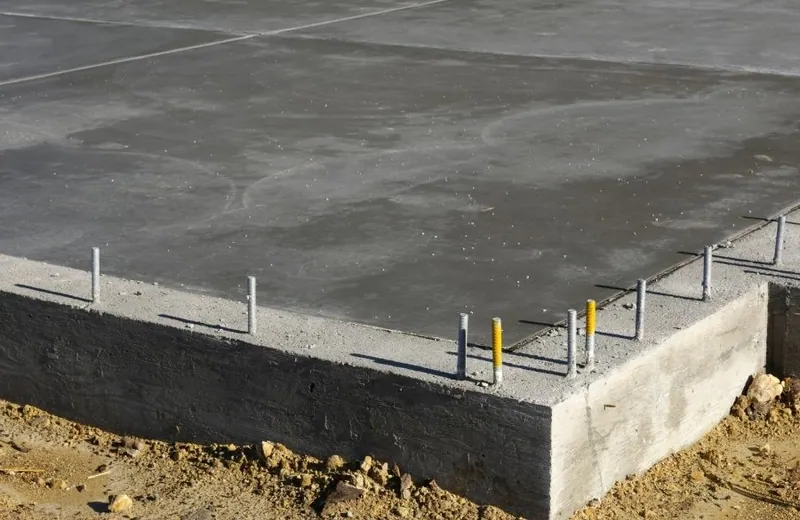
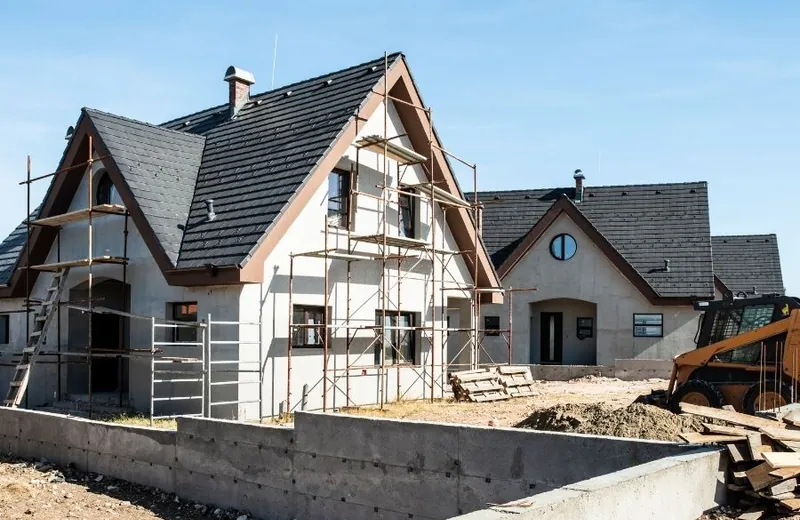
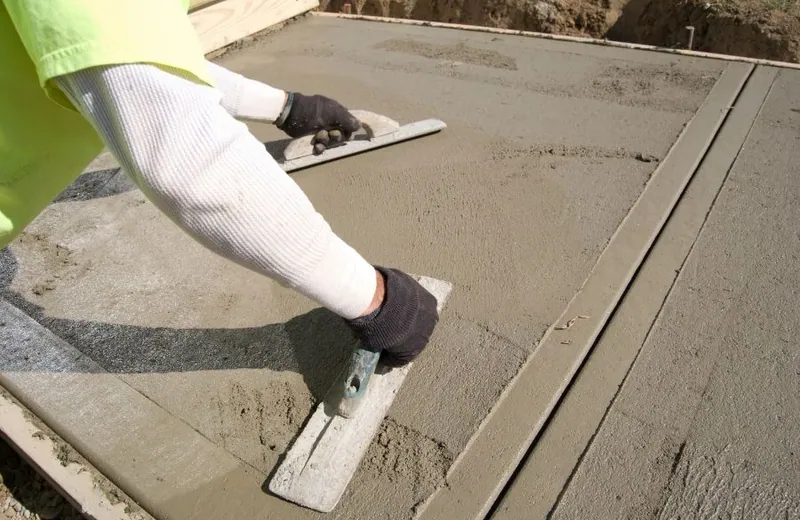
Recent foundation-repair Projects in Granbury, TX
Foundation Repair FAQs for Granbury Homeowners
How much does foundation repair cost in Granbury?
Most Granbury homes fall somewhere between about $2,500 and $25,000, depending on the foundation type and how much of the house has moved. A pier-and-beam re-shim might be a few thousand dollars. A typical corner settlement repair on a lake-community slab often runs $5,500–$12,000. Full lifts on lots with mixed limestone and fill can cost more, because pier depths vary across the house. Drainage, void fill and permits can add to the total. We price every job from on-site elevation readings, so you'll see exactly what's included before you decide, and financing is available.
How do I know if a crack is cosmetic or structural?
Hairline cracks under about 1/8 inch that don't offset and don't change over months are usually shrinkage, and you'll see a lot of them after a Granbury summer. Watch for stair-step cracks in brick, cracks wider at one end, doors that suddenly stick, gaps at baseboards, and floors you can feel sloping. Those point to movement. The fastest way to know for sure is elevation readings. We measure the whole foundation, photograph the cracks, and tell you in plain language whether it needs repair, monitoring or just sealing.
How long does foundation repair take?
Most residential slab and pier-and-beam repairs take one to five days on site, with smaller shimming jobs sometimes done in a day. Larger lifts, interior piers, or combined drainage and concrete work take longer. Scheduling depends on permits inside Granbury city limits, historic review for downtown homes, and HOA rules in Pecan Plantation or DeCordova Bend Estates. Weather matters too, since heavy spring storms can pause excavation. If you're facing a closing deadline, tell us upfront and we'll plan around it.
Do I need a permit for foundation repair in Granbury?
Inside Granbury city limits, structural foundation work generally requires a building permit and inspections, and we handle that part. Homes in the downtown historic district may also need a certificate of appropriateness if the repair affects historic masonry, skirting or porches. In unincorporated Hood, Somervell and Johnson County areas, permits often aren't required, though floodplain permits can apply near the Brazos River. Shoreline or bulkhead work on Lake Granbury falls under Brazos River Authority rules. Tolar, Godley, Cresson and Glen Rose each run their own permit processes.
Why does my lakefront home have foundation problems?
Lake Granbury lots are often built on sandy loam, alluvium or fill, and that soil can settle, erode or stay saturated. Spring downpours and bad gutter discharge push water against the slab, failing bulkheads let soil wash out, and lake drawdowns during drought dry everything out. That mix moves foundations unevenly. A lasting fix usually combines foundation support with drainage correction, and sometimes shoreline repair as well. Piering alone often isn't enough. We check all of it during the evaluation so nothing gets missed.
Can a plumbing leak cause foundation damage?
Yes, and it's common in Hood County. A leak under a slab soaks the soil. Clay swells and lifts that section, while sandier soil washes out and leaves a void. The February 2021 winter storm burst many lines, and some under-slab leaks didn't show up until much later, especially in older lake homes and seasonal properties. Warning signs include a sudden jump in your water bill, warm or damp floor spots, and a new hump near a bathroom or kitchen. Get the leak fixed first, then have the foundation evaluated.
How can I prevent foundation problems in Granbury's climate?
The goal is to keep soil moisture around your foundation as steady as possible. Extend downspouts several feet away, make sure the soil slopes away from the house, and fix low spots where water collects. In long drought stretches, consistent watering around the perimeter can reduce clay shrinkage, particularly on the south and west sides. Keep big trees from pulling moisture right at the foundation, and consider root barriers. Watch your water bill for hidden leaks. If you see new cracks or sticking doors, get readings early, while repairs are still smaller.
When should I call a foundation repair company?
Call right away if you see a widening crack, a new floor hump, water coming from under the slab, or soil washing out near a lakefront foundation. Those can get worse quickly. Also call if doors and windows start binding, brick shows stair-step cracks, or floors feel sloped or bouncy. If you're buying or selling, get an evaluation before the option period runs out so you have readings, photos and documentation to work with. Waiting through another wet-dry cycle almost always means more movement to correct.
Serving Granbury, TX & Nearby
Get Your Granbury Foundation Evaluated
Cracks, sticking doors or a sloping floor? Find out what's actually going on under your home before another Hood County drought or spring storm makes it worse.
- ✓Elevation readings across your entire foundation
- ✓Photos of cracks, crawl space conditions and drainage problems
- ✓A plain-language explanation of the cause
- ✓Repair options with clear, upfront pricing
- ✓Documentation you can share with buyers, lenders or insurers
- ✓A bonded and insured crew that respects your home and HOA rules
- ✓Financing available
⚡ Seeing water under the slab, a sudden floor hump or soil washing out near your lakefront foundation? Call now so we can stabilize the problem before it spreads.
Bonded • Insured